CIES-Iscte hosted the First Training School of the EUPopLink COST Action (CA23102) on 19–20 March 2026, held at Iscte– University Institute of Lisbon, bringing together researchers from across Europe to address a key challenge for contemporary democracies: how to understand — and measure — populism and Euroscepticism.
In a European context shaped by ongoing political and social transformations, these phenomena have become increasingly relevant. However, studying them in a rigorous and comparative way raises important conceptual and methodological challenges, particularly when analysing attitudes and behaviours across different national contexts.
Text and photos by Rita Alves
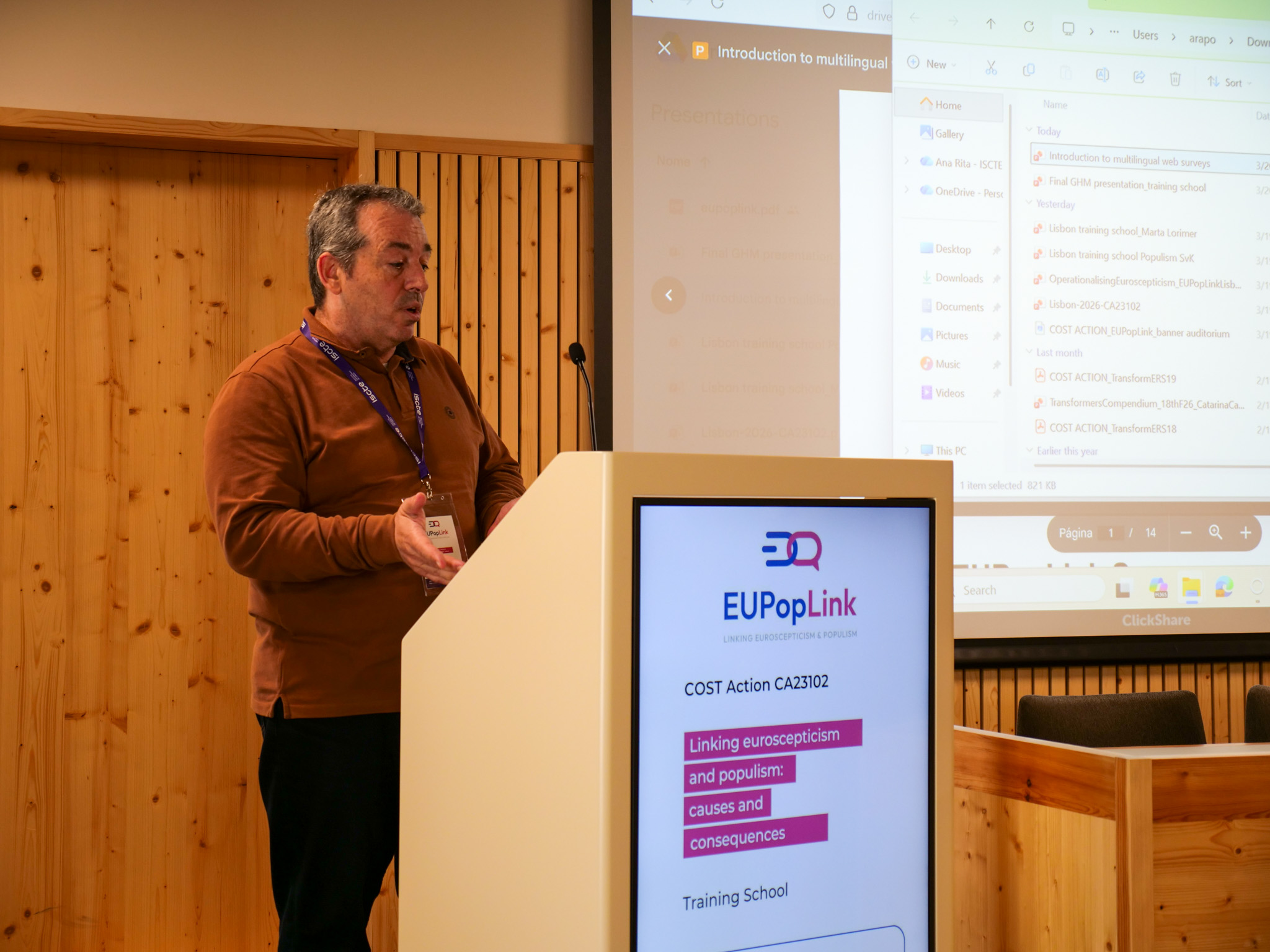
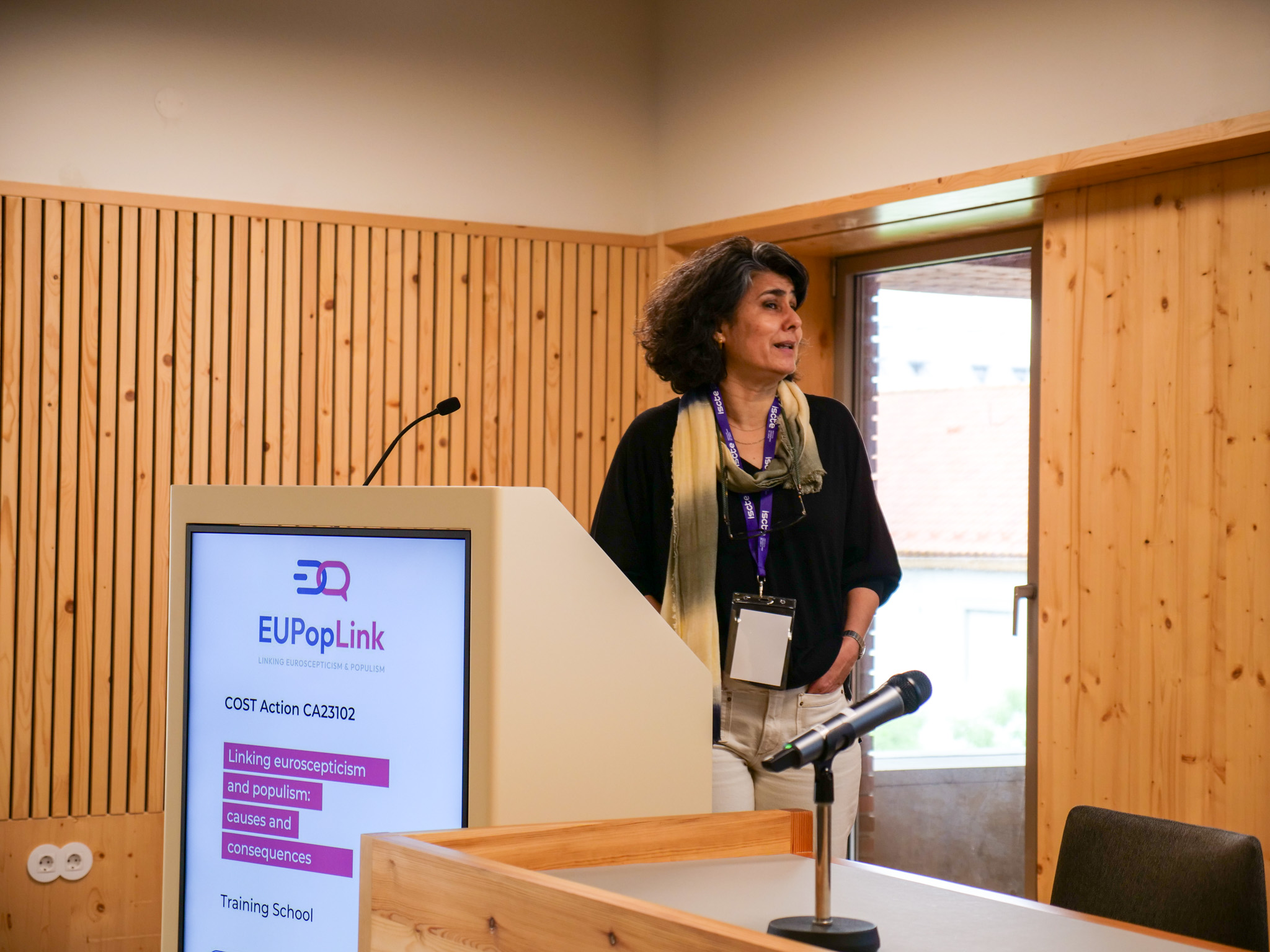
The opening session featured welcome remarks by Ana Belchior, representing the host institution, and Ioannis Andreadis, Chair of the Action, who introduced the objectives and scientific scope of EUPopLink. The programme combined theoretical, methodological, and applied sessions, with a strong emphasis on the use of comparative survey data.
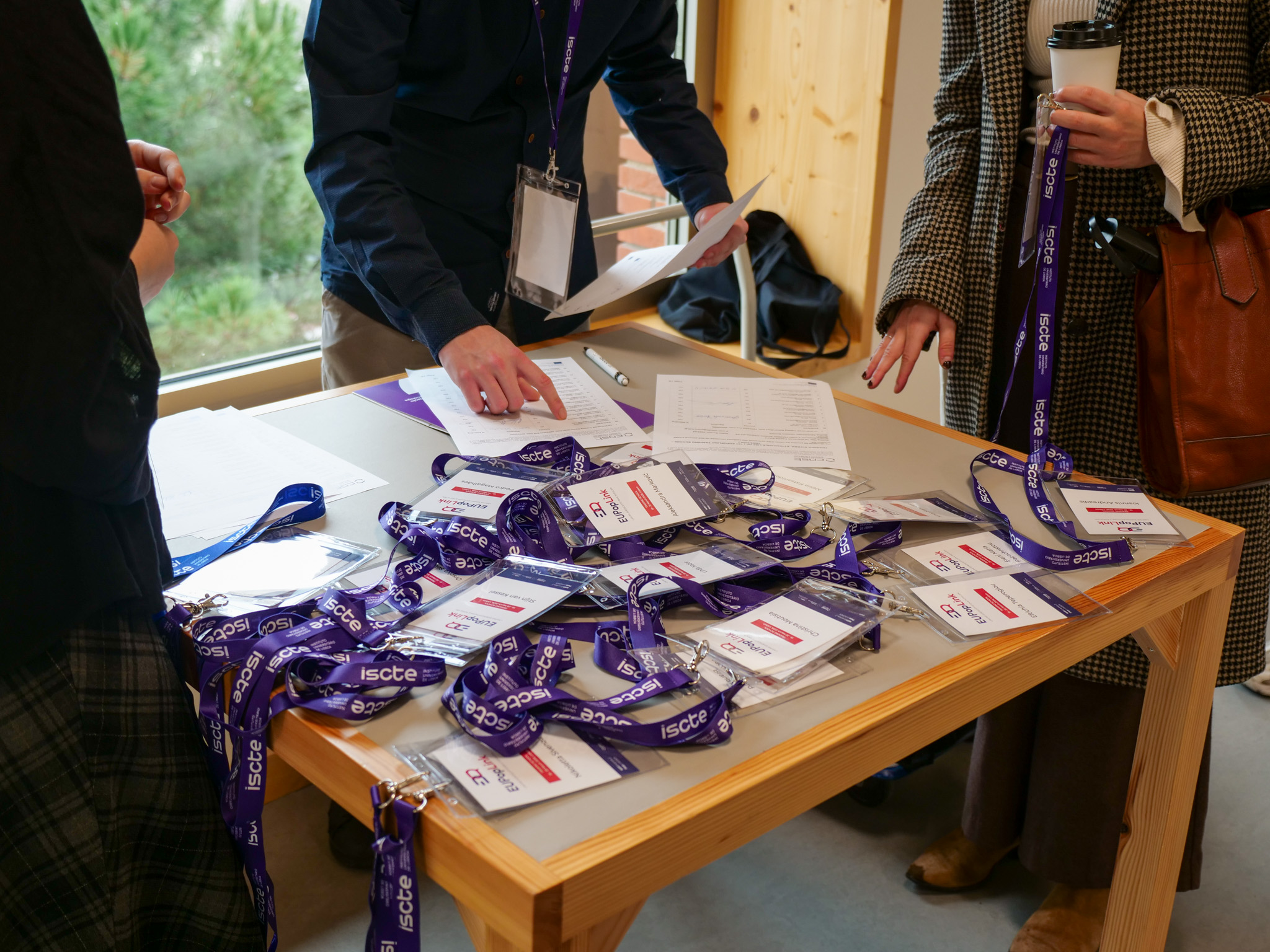
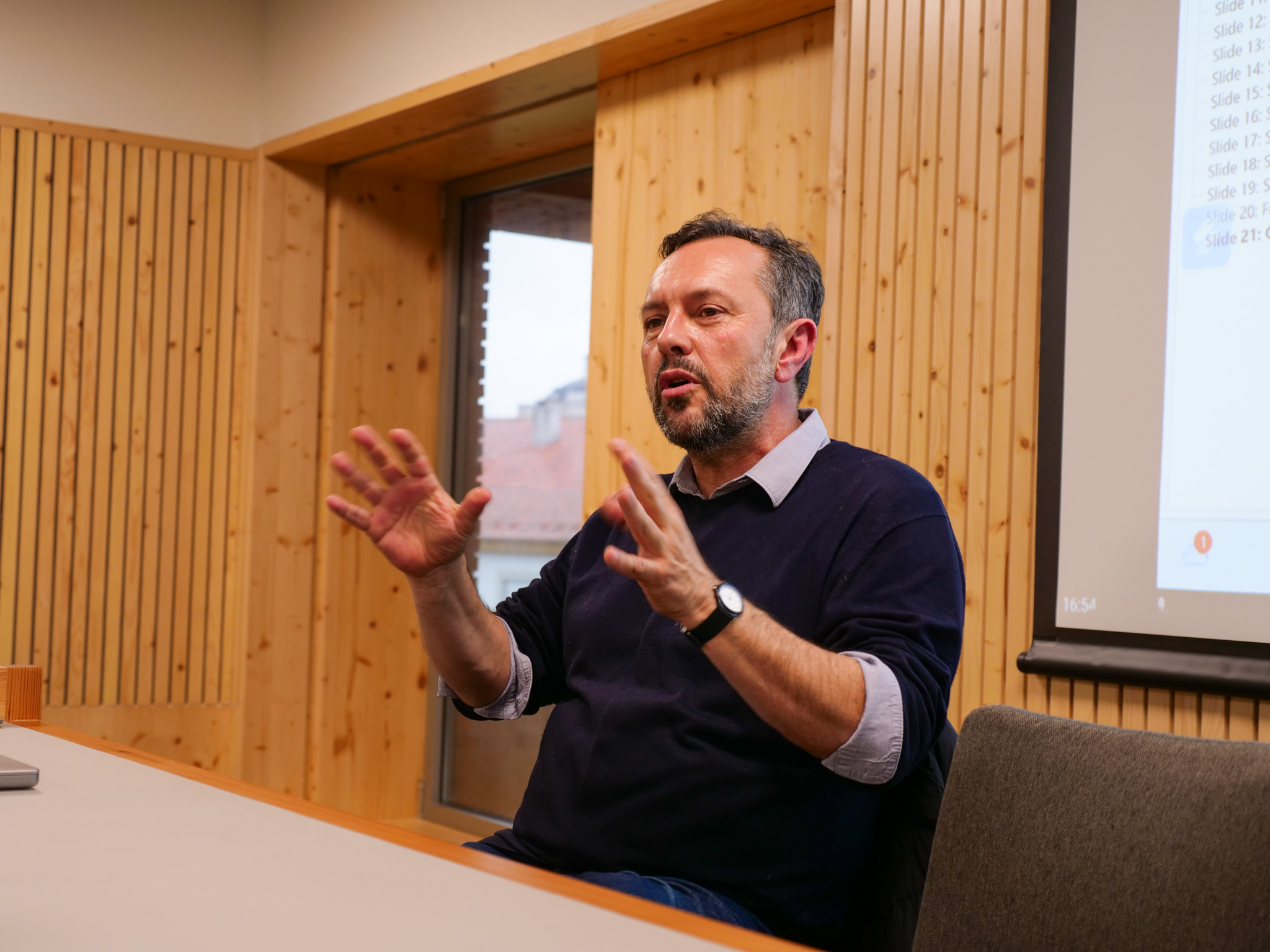
During the first day, key lectures addressed the measurement of Euroscepticism using survey data and the challenges of harmonisation, presented by Alexia Katsanidou, as well as conceptual definitions and theoretical links between populism and Euroscepticism, discussed by Marta Lorimer and Stijn van Kessel. The afternoon included an introduction to multilingual web surveys and the EUPopLink Survey, delivered by Ioannis Andreadis, followed by a keynote lecture by Pedro Magalhães on social desirability in survey measures of democratic attitudes.
The second day focused on empirical and methodological dimensions, with contributions from Sofia Vasilopoulou, on the relationship between Euroscepticism and regional inequality, and Eftichia Teperoglou, who addressed common pitfalls and best practices in post-harmonisation survey data analysis. The programme also included hands-on sessions on the Limesurvey Quick Translation Tool and the testing of the EUPopLink survey instrument.
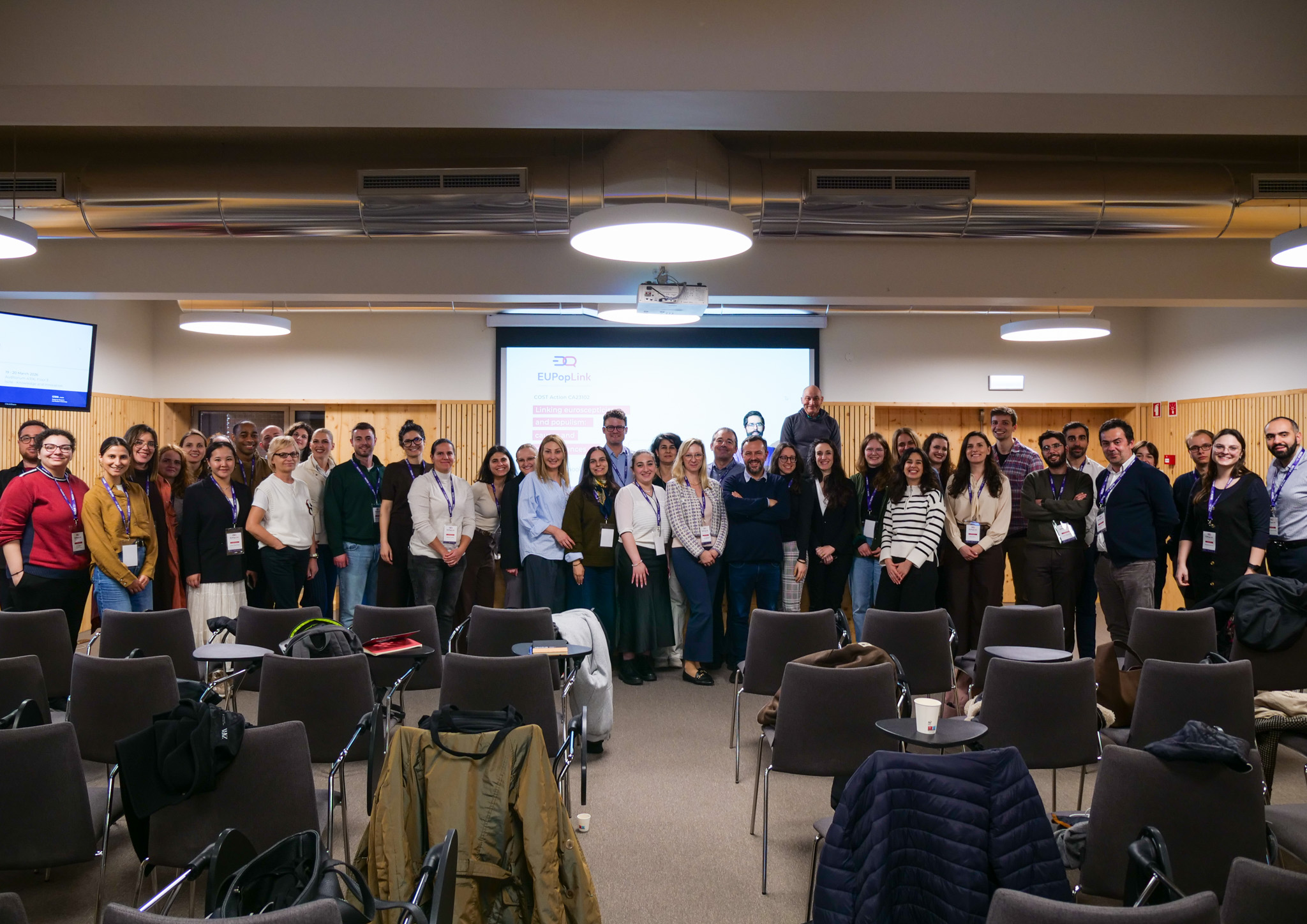
More than a training initiative, the EUPopLink Training School provided a platform for collaborative knowledge production. By bringing together researchers from different countries and academic traditions, it contributed to strengthening international networks and consolidating a shared research agenda on political attitudes in Europe.
At a time when understanding citizens’ relationship with democracy and the European project is more important than ever, initiatives such as this highlight the crucial role of collaborative, comparative and methodologically rigorous scientific research.