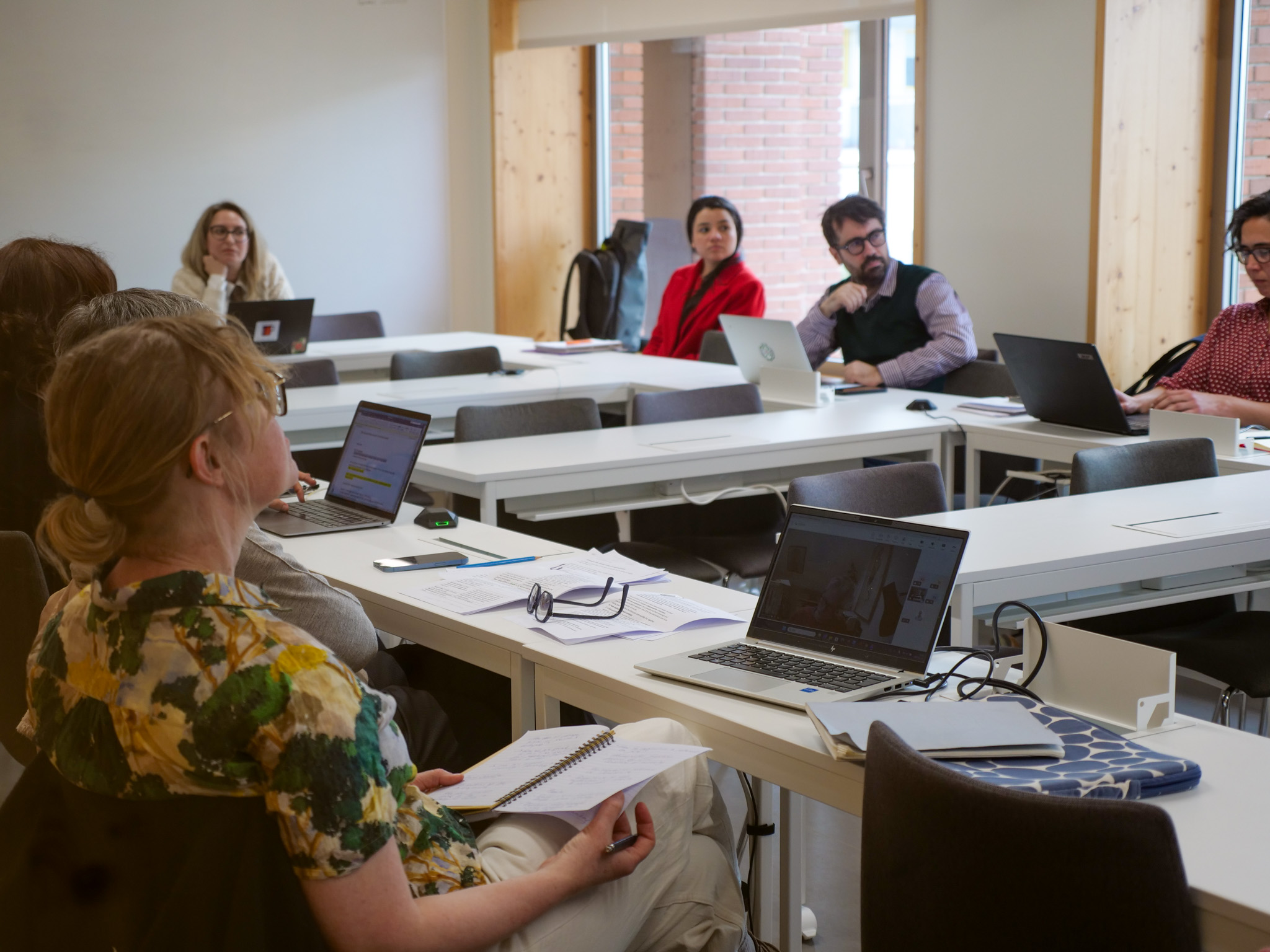
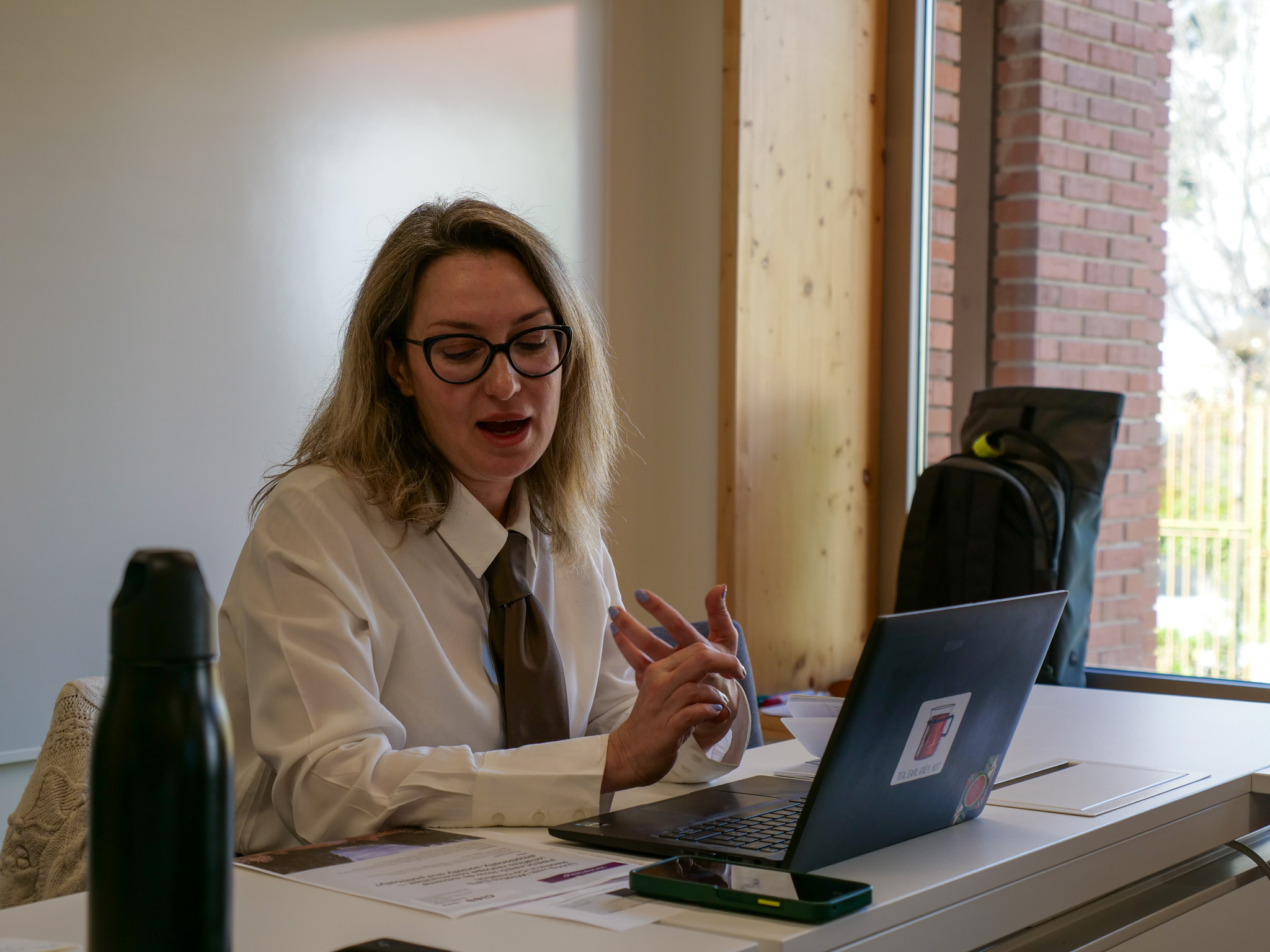
On March 12, Iscte – University Institute of Lisbon hosted the workshop “Firescapes: How do extreme wildfires reshape Communities: emocionally, socially and Politically?”,dedicated to discussing the preliminary findings of the international research project Living With Wildfires (LiFi).
The event brought together researchers and experts from various universities to examine how communities affected by wildfires are adapting to the increasing risks associated with climate change.
One of the main theoretical contributions discussed during the workshop was the concept of “firescapes,” understood as an analytical lens that connects planetary climate crises to local experiences with fire. From this perspective, wildfires are examined as events that expose ecological, social, and moral ruptures, while also potentially generating new forms of cooperation and community reorganization.
The comparative analysis of the case studies made it possible to identify three recurring dimensions in the social experiences associated with wildfires:
- The unpredictability and intensity of climate-driven destruction, which rapidly transforms landscapes and ways of life;
- The collapse of safety structures, evidenced by institutional failures in prevention, communication, and disaster response;
- A condition of ontological insecurity, marked by collective grief, loss of territorial identity, and uncertainty regarding the future of affected communities.
The workshop also included an in-depth discussion of the Portuguese case, focusing on the 2017 Pedrógão Grande wildfires, which affected approximately 10,000 people and had a significant impact on public debate regarding forest management in Portugal. The disaster led to the introduction of new land management policies and the creation of institutional structures related to forest protection. Nevertheless, the discussions highlighted persistent challenges, such as the dominant presence of eucalyptus monocultures and the difficulties in implementing preventive measures.
Another key point concerned the role of the Association of Victims of the Pedrógão Grande Fire (AVIPG), which continues to preserve the collective memory of the disaster through initiatives of commemoration and social mobilization. The organization has also been an important research partner, contributing to a deeper understanding of the social and political dimensions of wildfires.
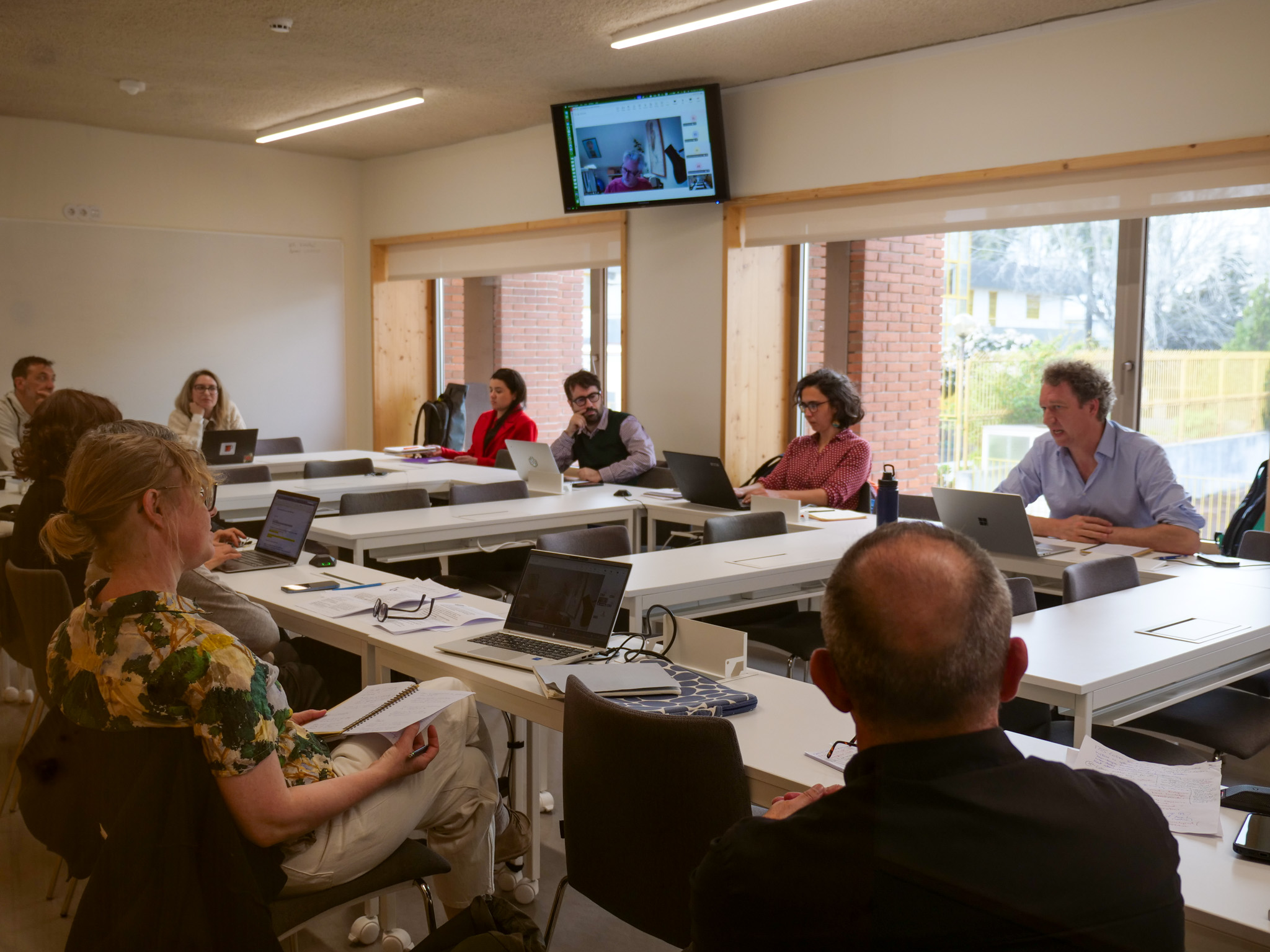
The workshop also featured the participation of invited experts from several international institutions, including Michelle Betsill (University of Copenhagen), Ben Cashore (National University of Singapore), David Chandler (University of Westminster), Jason Glynos (University of Essex), Anabela Carvalho (University of Minho), Paula Castro (Iscte), and Joana Sousa (University of Coimbra).
The invited specialists provided critical reflections on the project’s theoretical and methodological framework, emphasizing the importance of further developing three analytical dimensions: the ontological, by linking local experiences to planetary crises; the hermeneutic, by examining how communities produce meaning in the face of disaster; and the political, by investigating the distribution of responsibilities and capacities for action in risk governance.
Overall, the workshop underscored the relevance of interdisciplinary approaches that integrate social, political, and cultural dimensions in the analysis of wildfires, contributing to a more comprehensive understanding of the challenges posed by the intensification of these events in the context of climate change.
The project is part of a three-year research programme and is structured around four case studies—Portugal, Sweden, Turkey, Australia and Brazil—allowing for the analysis of diverse social, political, and environmental contexts. The project team includes Eva Lövbrand (Linköping University), Ayşem Mert (Stockholm University), Elise Remling (University of Canberra), Jelle Behagel (Wageningen University), and Mehmet Ali Üzelgün (Iscte), who was responsible for organizing the workshop.
The research seeks to understand how lived experiences during wildfires—including narratives, emotional responses, and social negotiations—interact with broader environmental transformations. In this sense, the project explores how extreme events shape community values, forms of solidarity, and political decision-making processes.